To start a small retail business, several key factors should be considered. It includes making the right plan, selecting the exact business structure, understanding competitive factors, managing costs, obtaining the necessary licenses, and choosing the ideal location, etc. Whenever we are trying to become entrepreneurs, the first thing that comes to our mind is how to start a small retail business.
In the modern world, many people want to be entrepreneurs. One of the most suitable ways to become an entrepreneur is to start a small business, such as a grocery market, raw market, cosmetic shop, and others.
In this step, we will provide you with some guidelines that will guide you to start a small retail business.
One of the most important steps in starting a retail business is deciding which type of business you will start. Whenever you determine the right business idea, it will help you to take the right path, plan, and also reduce your costs. When it comes to choosing a retail business idea, multiple key factors work, such as
First of all, explore your local shop to observe how sales are going, or communicate with people to see their demand or interest, such as in local shops. Fast food, grocery store, cosmetics, etc.
Before starting a retail business, it is essential to have a clear concept of your budget and then choose a retail business according to your budget. For example: shop rent, product cost, staff cost, POS, electricity, and utilities, etc.
Observe those competitors that are similar to your niche, such as the number of selling stores, pricing, product quality, offer, and services, etc. Prioritize high-demand products that sell consistently throughout the year, such as the raw market.
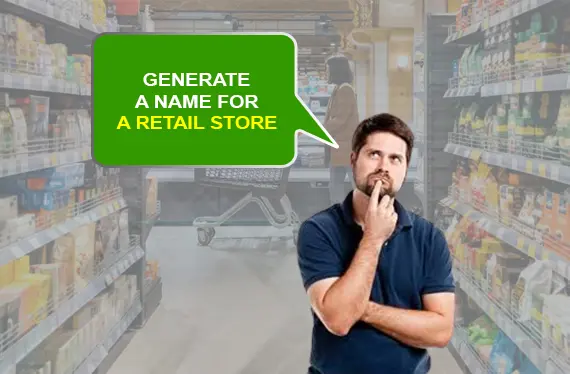
Don't select a long or confusing name for a business. Choose an easy and unique name that matches your business products and ideas. It will give people a lot of impressions of your retail business. Also, make sure that it's available on websites and social media platforms like Instagram, Facebook, and other platforms.
There are three types of business structures. Before starting a small retail business, you have to determine under which legal framework you want to operate. It is important because everything depends on structure, such as business ownership, taxes, business future, etc. Here are three types of business structures:
It is suitable for small and new businesses. The features of this business are one ownership, easy decision-making, no extra paperwork costs, and the owner is responsible for the profit and loss of the business.
For example: Grocery store, Raw market, etc
The ownership of this business is usually two or more people who share capital in the business. There must be a written agreement between owners, and get benefits and responsibilities according to the agreement. For example: Clothing store, wholesale business, retail, and distribution, etc.
This is suitable for large businesses, such as department stores and franchise businesses, etc. The feature, business, and personal assets are separate, providing more legal security, trusted by banks and investors.
The most important key factor is to assess your business competitor in the market, and observe their movement as an example.
Then, create your own idea or roadmap that aligns with those factors, and it gives you an extra edge. In this way, your business will reach the people and be able to beat your competitors.

A successful small retail business heavily depends on a good location. As a result, choosing a good location means having more sales, more customers, and making more profit. You should consider some facts when selecting a good location. Including:
After choosing a good location, the next step is to estimate the business startup cost. It plays a vital role in starting a retail business. Because it reduces your waste, it also ensures that your budget is under control. The major elements of startup costs include
With the right secure funding, it will be easier to start a business. It will also reduce your financial-related costs. There are some sources of financing that you can get, including:

To start a retail business, you must register your business within the legal framework and obtain the required licenses. As a result, your business will be secure, and no legal problems in the future. Necessary licenses for business are:
Retail business is highly dependent on product quality. What kind of product are you sourcing, and from where? For a small retail business, finding the right supplier is very critical. Because product quality, pricing, and reliable supply directly affect both customer satisfaction and business profit. There are some sources to find a high-quality supplier. Including
When you select a supplier, things that should be noted
The next step is to decorate the store. When customers see that the store is well decorated, it attracts them and helps increase sales. Here, we provide a well-organized set of steps to help you establish a small retail store. Such as
POS (Point of sale) is software that makes everything easier, from selling to auditing in a business. Including
Before choosing a retail POS system, make sure those features are available in the system. There are lots of POS software available in the market. Get the best one that meets your business requirements.
It is important to select the right staff for your store to serve the customer. When a customer gets a well-mannered person, it attracts them and shows interest in purchasing. When selecting the right staff for your store, some facts should be noted. For example:

To create a solid strategy for a small retail business, first understand your customer and observe their behaviour, then create a targeted campaign for the business. Having good products is not enough for selling, the real challenge is getting the right product to the right customer. Effective marketing strategies for small retail businesses are:
The final step is to launch your store in a good way. Before launching the store, make sure every step is fulfilled to complete customer needs; these are mentioned here. After launching the store, give the values of the customer opinion and their product demand, and it will become a permanent and profitable business. Here are some steps for launching a store such as
Here are some common mistakes you should avoid when starting a small retail business because they prevent your business's growth. It is very crucial to be aware of those mistakes. Those are
The first steps to launch a retail shop begin with defining your business niche and creating a solid business plan. These steps are vital for starting a retail business.
Choose the right retail business Idea or niche by doing market research, public demand, your interest, location, available capital and profit potential of products.
You can get a reliable supplier platform, like a wholesale market, an online B2B market, manufactures and references from other retailers. You can verify suppliers through a small order first.
Legal requirements needed to start a retail business include a general business license, trade license, TIN certificate, and VAT registration.
Seems impossible to open a retail store without money, but it can be started with zero capital. Through online platforms like WhatsApp and Messenger, you can start a retail business, or start with home or dropshipping, or take products on consignment.
Categories such as cosmetics/beauty, organic foods, pharmacies, tech accessories, grocery stores, and clothing stores are among the most profitable retail businesses.
To start a small retail business cost heavily depends on business structure, business types, products, location and inventory, etc. Approximately, you need money to start a small retail business around 1,500 AED to 15,000 AED in the UAE.

Starting a superstore is an exciting business idea. It can bring in steady income and long term growth. But success does not happen by luck. You need a clear plan before you open your doors. A good retail business plan for a superstore helps you stay focused and organized. It shows you how much money you need, how to manage your daily costs, and how to make a profit. It also helps you understand your customers and your competitors. Most importantly, it gives you a clear path to follow as your business grows. In this guide, you will learn how to create a complete superstore business plan step by step. What Is a Superstore? A superstore is a very large retail shop that sells many different types of products in one building. It gives customers a simple and easy way to shop in one place. Instead of going to many small stores, people can buy almost everything they need at a superstore. For example, they can shop for groceries, home supplies, clothes, electronics, and personal care items during the same visit. Superstores are popular for several reasons. First, they save time because customers do not need to travel to different locations. Second, they offer a wide variety of products, so shoppers have more choices. Third, prices are often lower because superstores buy products in large amounts and can offer better deals. In short, a superstore makes shopping faster, easier, and more convenient for customers. Why You Need a Retail Business Plan for Superstore A retail business plan works like a roadmap for your superstore. It shows you where you want to go and how to get there. When you have a clear plan, it is easier to make smart decisions and avoid costly mistakes. Without a proper plan, many problems can happen. You might spend too much money at the start. You may order too much stock or not enough. You could also struggle to attract customers. These issues can slow down your growth or even cause your business to fail. A strong business plan helps you: Understand who your target customers are Estimate your startup costs and monthly expenses Decide which product categories to sell Set the right prices for your products Reduce risks by planning ahead Attract investors or lenders who may help fund your business When you take time to plan carefully, you build a strong foundation. As a result, you increase your chances of long term success and steady profits. Choose Your Superstore Type and Store Concept Before you invest your money, you need to decide what type of superstore you want to open. This is a very important step. Your choice will guide everything else, from pricing to marketing. Some superstores focus mostly on groceries. Others sell a mix of products, such as groceries, clothing, electronics, and home goods. You can also choose your pricing style. For example, you might open a discount superstore that offers low prices and special deals. Or, you may start a premium superstore that focuses on high quality products and better shopping experiences. Next, you should clearly define your store concept. Ask yourself these simple questions: Who are your target customers? What price range will you offer? What makes your store different from competitors? When you answer these questions, your vision becomes clear. As a result, it becomes easier to build your brand, design your store, and create a strong marketing strategy. A clear concept helps customers understand your business and remember your store. Market Research to Know Your Buyers Market research is one of the most important parts of your retail store business plan. It helps you understand your customers and their needs. When you know what people want, you can make better business decisions. First, study the local population. Look at their age groups, income levels, and shopping habits. For example, if your area has many middle-income families, you should focus on affordable groceries, school supplies, and daily household items. On the other hand, if the area has young professionals, you may include ready to eat meals, electronics, and trendy products. There are several simple ways to do market research. You can: Conduct short surveys in your community Observe nearby stores and see what sells well Check social media trends Study local business and population data When you clearly understand customer demand, you can choose the right products. As a result, you avoid wasting money on items that do not sell. This reduces business risk and increases your chances of success. Competitor Analysis Every superstore has competition. So, you must study your competitors carefully before you open your store. When you understand what other stores are doing, you can find ways to stand out. First, visit nearby superstores. Look at their prices, product variety, store layout, and customer service. Notice how they display products. Pay attention to how long customers wait at checkout. Also, see how clean and organized the store looks. Next, think about what they do well and where they make mistakes. For example, maybe their prices are high. Maybe their store feels crowded. Or maybe their staff is not very helpful. You might: Offer better prices or special discounts Create a cleaner and more organized store layout Provide faster checkout service Stock a wider or better selection of products Train staff to give friendly customer service When you analyze your competitors, you can clearly see your opportunities. As a result, you can position your superstore in a smart way and attract more customers. Location and Store Layout Plan Location is one of the most important factors in retail success. Even the best superstore can struggle if it is in the wrong place. That is why you must choose your location carefully. Look for an area with high foot traffic. This means many people pass by your store every day. Good road access is also important, so customers can reach your store easily. In addition, make sure there is enough parking space. A growing residential area is often a smart choice because more families will need daily products. On the other hand, avoid hidden locations with low visibility. If people cannot see your store, they may not visit it. Store Layout Planning After choosing the right location, focus on your store layout. A well-planned layout makes shopping easy and comfortable. It also helps increase sales. Here are some simple tips: Keep aisles wide and clean so customers can move freely. Organize products clearly by category. Place daily essential items, like milk and bread, at the back. This encourages customers to walk through the store and see more products. Use clear signs so customers can find items quickly. Display promotional or discounted products near the entrance to grab attention. When your location and layout are well planned, customers enjoy their shopping experience. As a result, they are more likely to return and recommend your superstore to others. Products and Inventory Plan Products are the heart of your superstore. If you choose the right products and manage them well, your store will run smoothly. A clear product and inventory plan helps you stay organized, reduce waste, and increase profits. Product Categories Your superstore should be divided into clear product sections. This makes shopping easier for customers. It also helps you manage stock more effectively. Common product categories include: Groceries and Fresh Food – fruits, vegetables, meat, dairy, and bakery items Frozen and Packaged Food – frozen meals, snacks, canned goods, and beverages. Household Cleaning Supplies – detergents, disinfectants, paper products. Personal Care Products – soap, shampoo, toothpaste, skincare items. Clothing and Accessories – basic wear, seasonal clothing, shoes. Electronics and Home Appliances – small kitchen appliances, gadgets, and accessories. You can adjust these categories based on your target customers. For example, if you serve families, focus more on groceries and school supplies. If your customers are young professionals, include more ready-to-eat meals and electronics. Inventory Management Inventory management is just as important as product selection. Poor stock control can lead to serious losses. For example, overstocking ties up your money and increases waste. On the other hand, running out of popular items can disappoint customers. To manage inventory properly: Track daily sales Monitor fast moving and slow moving items Avoid ordering too much stock Prevent stock shortages Check product expiry dates regularly Using inventory management software can make this process easier. It helps you track stock levels in real time and sends alerts when items are low or close to expiry. Good inventory control improves cash flow. It also reduces waste and keeps your shelves organized. As a result, your superstore becomes more efficient and profitable. Pricing Strategy Pricing plays a major role in attracting customers and generating profit. If your prices are too high, customers may shop somewhere else. If your prices are too low, you may struggle to make a profit. That is why your pricing strategy should match your target market and business goals. For example, if your customers are middle income families, affordable and competitive prices will work best. On the other hand, if you are targeting premium shoppers, you can focus on value and quality instead of low prices. Common Pricing Methods Cost plus pricing is a simple method where you add a fixed profit margin to the product’s cost. For example, if an item costs $10 and you add a $2 margin, you sell it for $12. This method ensures consistent profit on each sale. Competitive pricing means setting your prices close to what other superstores charge. This helps you stay competitive and avoid losing customers to nearby stores. Discount pricing focuses on lower prices, special offers, and seasonal promotions. This strategy attracts price sensitive shoppers and increases store traffic. Bundle pricing encourages customers to buy multiple products together at a slightly reduced price. For example, offering combo deals can increase the total amount customers spend. By combining these pricing methods wisely, you can boost sales while maintaining healthy profit margins. Marketing Plan Marketing helps customers discover your superstore and learn about your offers. Without proper marketing, even a well designed store may struggle to attract buyers. That is why you need a clear marketing plan that includes both online and offline strategies. When you promote your store consistently, you build trust and encourage repeat customers. Online Marketing Online marketing helps you reach more people quickly. First, create a simple and user-friendly website that shows your products, offers, and store details. Next, register your business on Google Maps so customers can easily find your location and contact information. You should also use social media platforms like Facebook and Instagram to share updates, discounts, and new arrivals. Running paid advertisements can further increase visibility in your local area. In addition, offering online promotions or home delivery services can attract busy customers who prefer shopping from home. Offline Marketing Offline marketing is just as important, especially for local customers. You can distribute flyers in nearby neighborhoods to introduce your superstore. Banners and posters placed in high traffic areas can also increase visibility. During your grand opening, offer special discounts and promotional deals to attract attention. You may also partner with local businesses, schools, or community groups to spread awareness. When people see your brand often, they are more likely to visit your store. A balanced marketing approach helps your superstore grow steadily and stay competitive. Daily Work Plan System Running a superstore requires daily monitoring and strong discipline. Without a clear system, small problems can quickly turn into big ones. That is why you need a daily work plan. A structured system helps your team stay organized, complete tasks on time, and maintain high service standards. It also improves overall efficiency and customer satisfaction. Daily Tasks Your daily checklist should cover all important store activities. Start by checking inventory levels to make sure popular items are in stock. Review daily sales reports to track performance and identify fast moving products. Supervise staff to ensure they are doing their jobs properly and assisting customers when needed. You should also restock shelves regularly so the store looks full and organized. Cleaning the store is essential to maintain hygiene and create a pleasant shopping environment. Finally, handle customer questions and complaints quickly and professionally. When daily tasks are completed consistently, your superstore runs smoothly and builds customer trust. Staffing Plan Your staff plays an important role in your superstore’s success. Friendly and trained employees create a positive shopping experience. Good customer service encourages people to return. Common staff roles include a store manager who handles daily operations, cashiers who manage billing, sales associates who assist customers, an inventory manager who controls stock, security staff who ensure safety, and cleaning staff who keep the store neat. Hiring responsible employees and giving them basic training improves productivity and customer satisfaction. Legal and Licenses Before opening your superstore, you must complete all legal formalities. This step is very important. If you ignore legal requirements, you may face fines, penalties, or even store closure. The exact rules depend on your country and city, so always check local government regulations. Following the law protects your business and builds customer trust. Common Licenses Although requirements may vary, most superstores need several basic licenses. These usually include business registration to legally operate, a trade license to run commercial activities, and tax registration to handle sales taxes properly. If you sell food items, you may also need a food safety license and health permits. Getting the correct licenses before opening helps you avoid future legal problems and ensures smooth business operations. Financial Plan A financial plan helps you understand if your superstore can make a profit. It shows how much money you need to start and how much you must earn to cover expenses. Without a clear financial plan, you may run out of money quickly. Careful planning helps you control costs and make smart decisions. Startup Costs Startup costs are the expenses you pay before opening your store. These usually include the rent deposit, store renovation, shelves and racks, billing systems, and initial inventory. You must also pay for licenses and early marketing activities. Since these costs can be high, you should calculate everything carefully before investing. Monthly Expenses Monthly expenses are the regular costs of running your superstore. These include rent, employee salaries, electricity and water bills, restocking products, maintenance, and marketing. Tracking these expenses every month helps you manage cash flow and avoid financial problems. Profit Estimation To estimate your profit, subtract your total monthly expenses from your total sales revenue. If sales are higher than expenses, your business is profitable. It is also wise to keep emergency funds that can cover at least six months of expenses. This safety fund protects your superstore during slow sales periods or unexpected challenges. Funding Plan Opening a superstore requires strong financial support. You need enough capital to cover startup costs and manage expenses until the business becomes stable. That is why having a clear funding plan is important. It shows how you will raise money and how you plan to use it. A well-prepared funding plan also increases your chances of getting approval from banks or attracting investors. Where Does the Money Come From ? Funding can come from different sources. Many business owners start with personal savings to reduce debt. Others apply for bank loans to cover large startup costs. You may also partner with someone who invests money in exchange for a share of the business. Some entrepreneurs seek private investors or apply for government support programs and small business schemes. The best funding option depends on your financial situation and how much risk you can handle. Choosing the right source of funds helps your superstore start strong and grow with confidence. Risk Plan Every superstore faces some level of risk. No business is completely risk-free. However, when you plan ahead, you can reduce problems and protect your investment. A good risk plan helps your business stay stable, even during difficult times. Common Risks Some common risks in a retail order management business include low customer traffic, which can reduce sales. Strong competition from nearby stores can also affect your profits. Theft and shoplifting may cause financial losses. In addition, inventory damage, expired products, or poor storage can waste money. Economic slowdowns may also reduce customer spending. Solutions Although these risks are common, they can be managed with proper planning. Installing security cameras and hiring security staff can reduce theft. Offering promotions and improving customer service can attract more customers. Monitoring inventory carefully helps prevent overstocking and product damage. Keeping emergency funds can also protect your business during slow periods. When you prepare for risks in advance, your superstore becomes stronger and more secure. Growth Plan When your superstore becomes stable, it is time to focus on growth. Growth helps you increase profits and build a stronger brand in the market. Instead of staying at the same level, you should look for new opportunities to expand. You can start by adding new product categories based on customer demand. Introducing a loyalty program can also encourage repeat customers and increase sales. In addition, launching an online store allows you to reach more people and offer home delivery services. If your first location performs well, you may even consider opening new branches in other areas. Careful growth planning helps your business expand in a smart and controlled way. As a result, you improve long term profitability and strengthen your brand presence. Conclusion A retail business plan for a superstore is important for long-term success. It acts like a roadmap that guides your decisions, helps control costs, and reduces risks. When you plan key areas like location, products, pricing, marketing, staffing, and finances, your superstore has a much better chance of becoming profitable. Do not rush the process. Take time to research your market, plan each step, and set clear goals. Then follow your plan and improve as you learn. With the right strategy and consistent effort, your superstore can grow steadily and succeed in a competitive market. FAQs How Much Investment Is Required to Start a Superstore? It usually costs $70,000 to $3 million, depending on size and location. In South Asia, it may cost 10 lakh to 2+ crore BDT. What Licenses Are Required to Open a Superstore? You usually need these licenses: Business Registration, Trade License, Tax Registration (TIN/VAT/GST), Food Safety License, Fire Safety Certificate, Health & Safety Permit, Signage Permit. Requirements may vary by country and city. Always check with your local authority. What Technology Is Needed for a Modern Superstore? A modern superstore needs a POS system like retailters pos system. The system has barcode scanners for billing, inventory software to track stock, and accounting software to manage finances. It should also have CCTV for security and digital payment systems for cashless transactions. Larger stores may use an ERP system and offer online ordering for home delivery.